 Business customer



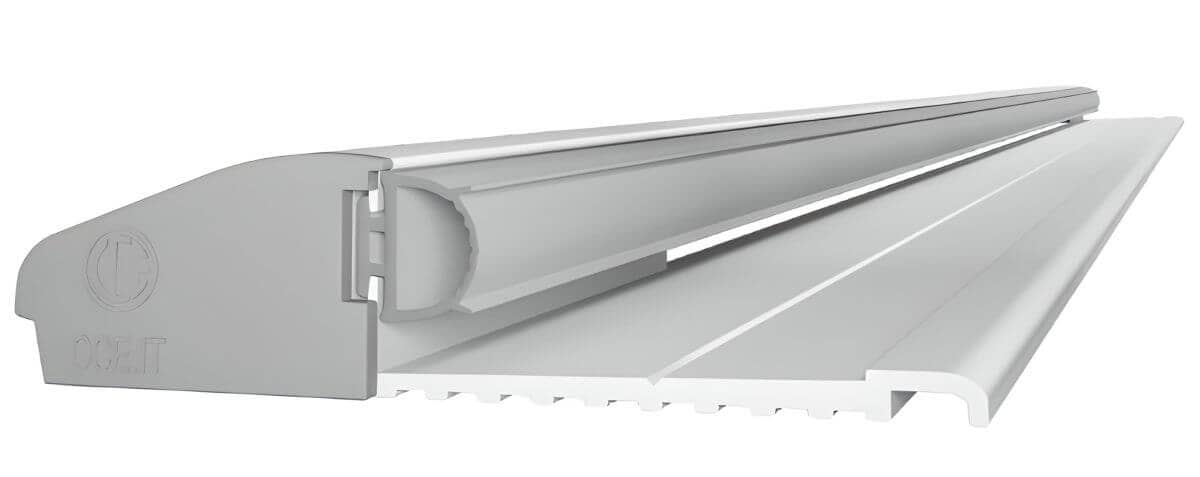


Transition profiles and stair nosings not only protect edges, but also ensure a seamless transition between floor coverings. Whether you want to make stair steps safer or level out floor transitions – with high-quality transition profiles in various materials and designs, you’ll find the right solution at Heimwerkertools. Durable and easy to install, these profiles help prevent tripping hazards and create a harmonious overall look.
FAQ:
Why should I use transition profiles and stair nosings?
Transition profiles compensate for height differences between floor coverings and prevent tripping hazards. They also protect edges from wear and improve the room’s appearance.How do I install a stair nosing profile?
Most stair nosing profiles can be easily attached with screws or adhesive. Make sure to clean the steps thoroughly before installation so the profile adheres securely.Which materials are suitable for transition profiles?
Transition profiles are available in aluminum, stainless steel, or plastic. Aluminum is lightweight and durable, stainless steel is robust and particularly resistant, while plastic profiles offer an affordable option.