 Business customer



Products (91)





💡 Natalie from Heimwerkertools
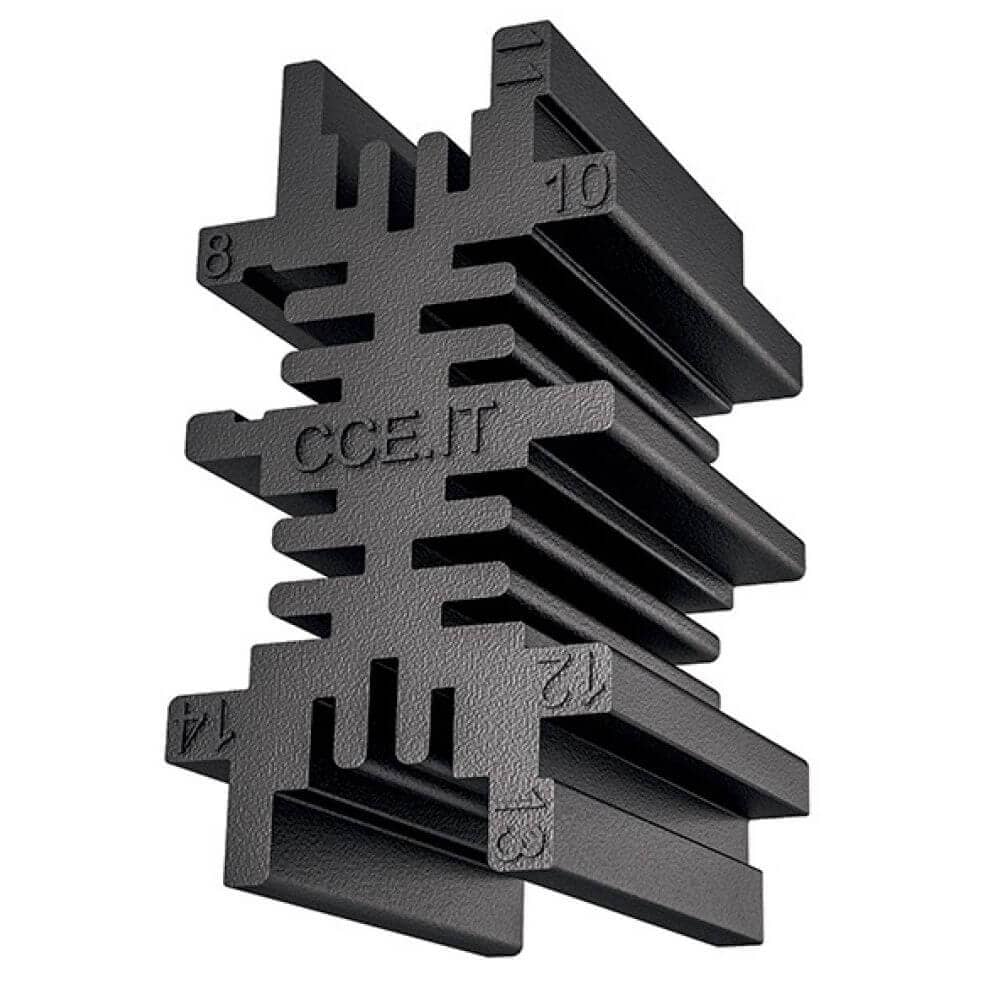
Tip for internal door seals: Be sure to measure the gap dimensions between the door leaf and frame before purchasing. Only then will the seal fit properly and provide effective sealing.
What door seals are you looking for?
More comfort and less heat loss – those are just two of the most important benefits of door seals. Bottom door seals block drafts and cold and help save on heating costs. Whether door rubber or drop-down seal, the range is diverse: from adhesive door seals made of aluminium or rubber to screw-on drop seals. There are also shower seals for the bathroom that keep moisture out. It is therefore worth familiarizing yourself with the options before installing the right door seal.
From rubber door seals to aluminium drop-down seals
Whether glued or screwed on – door seals come in various designs:
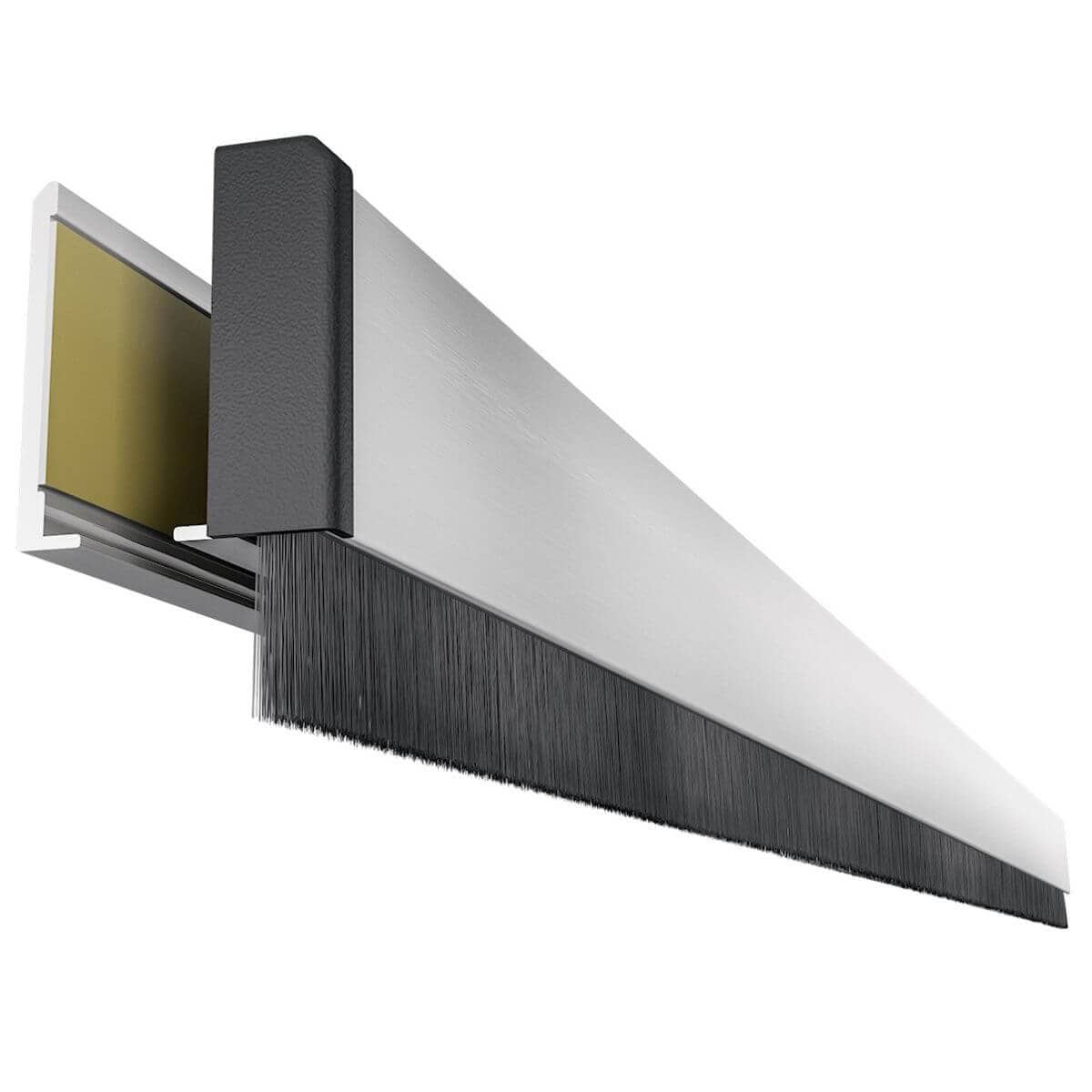
- Brush seals: These are made of sturdy aluminium or steel and fitted with plastic or horsehair fibres. They are inexpensive, easy to install, require little maintenance, but the brush may rub on the floor.
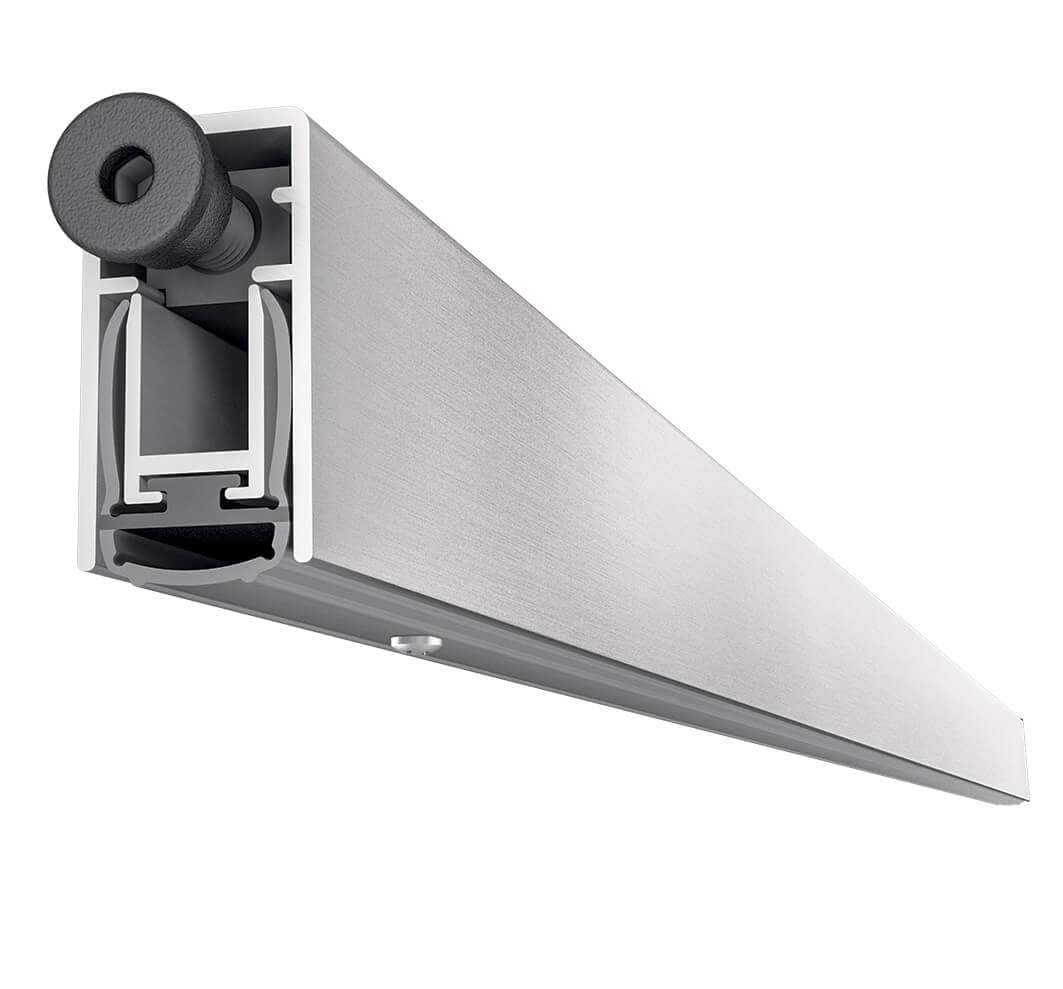
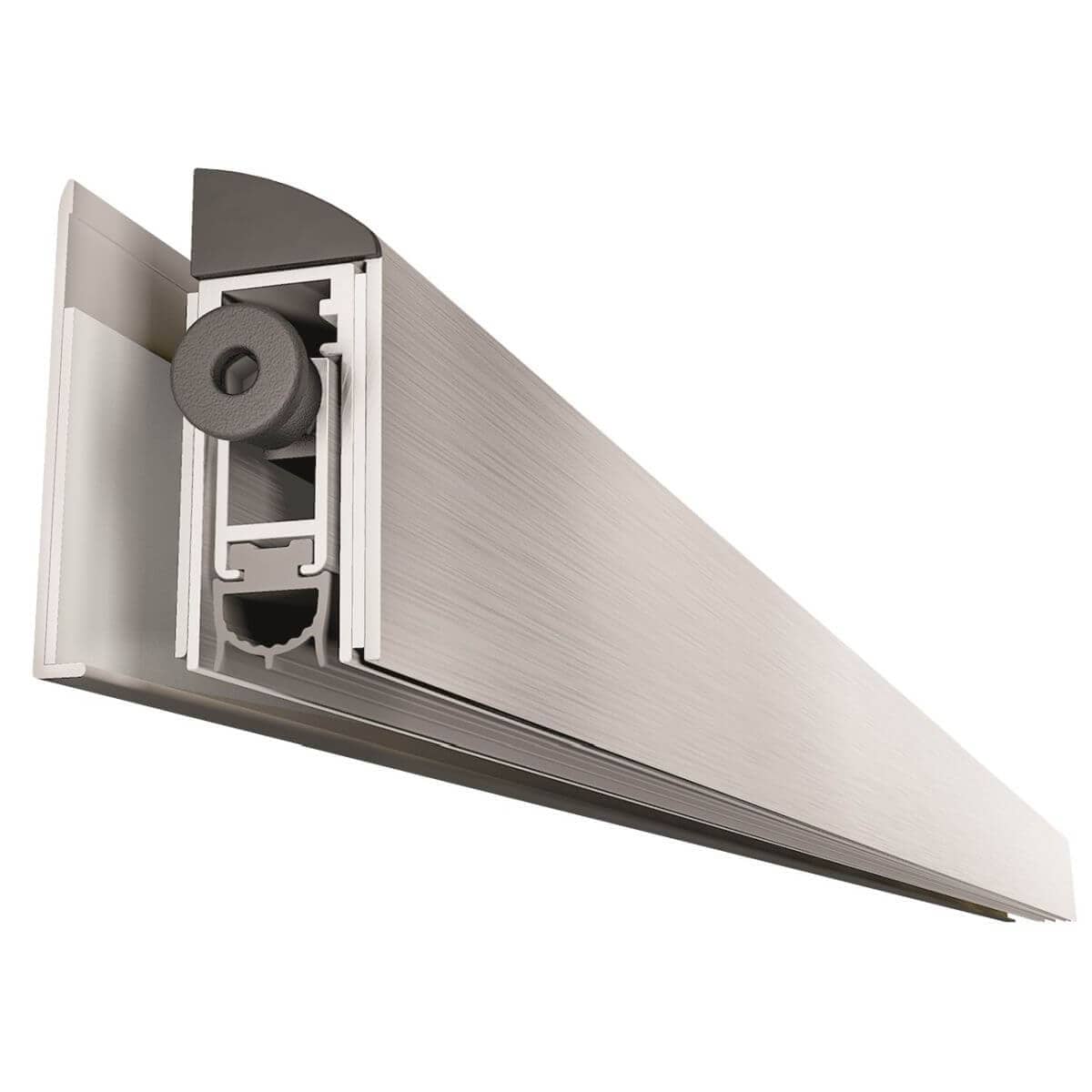
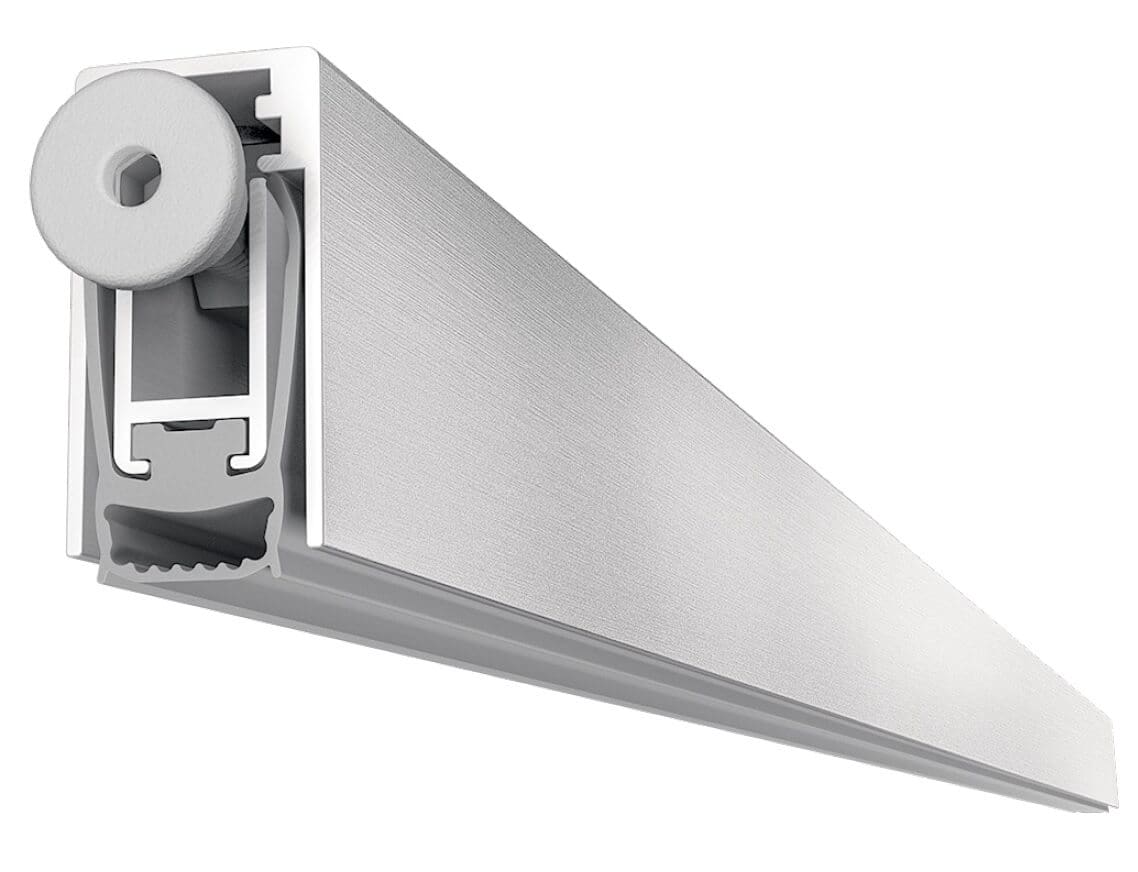
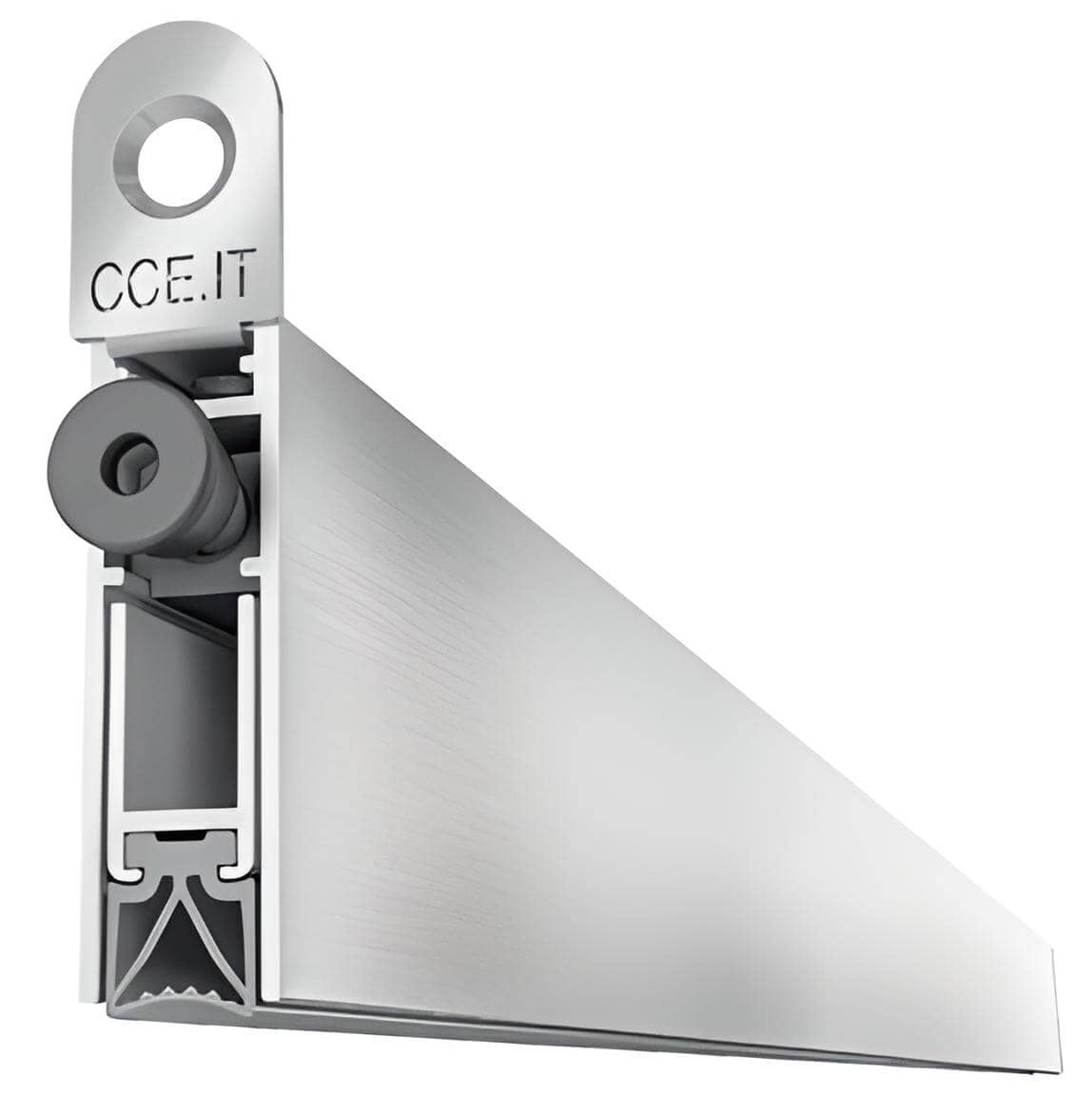
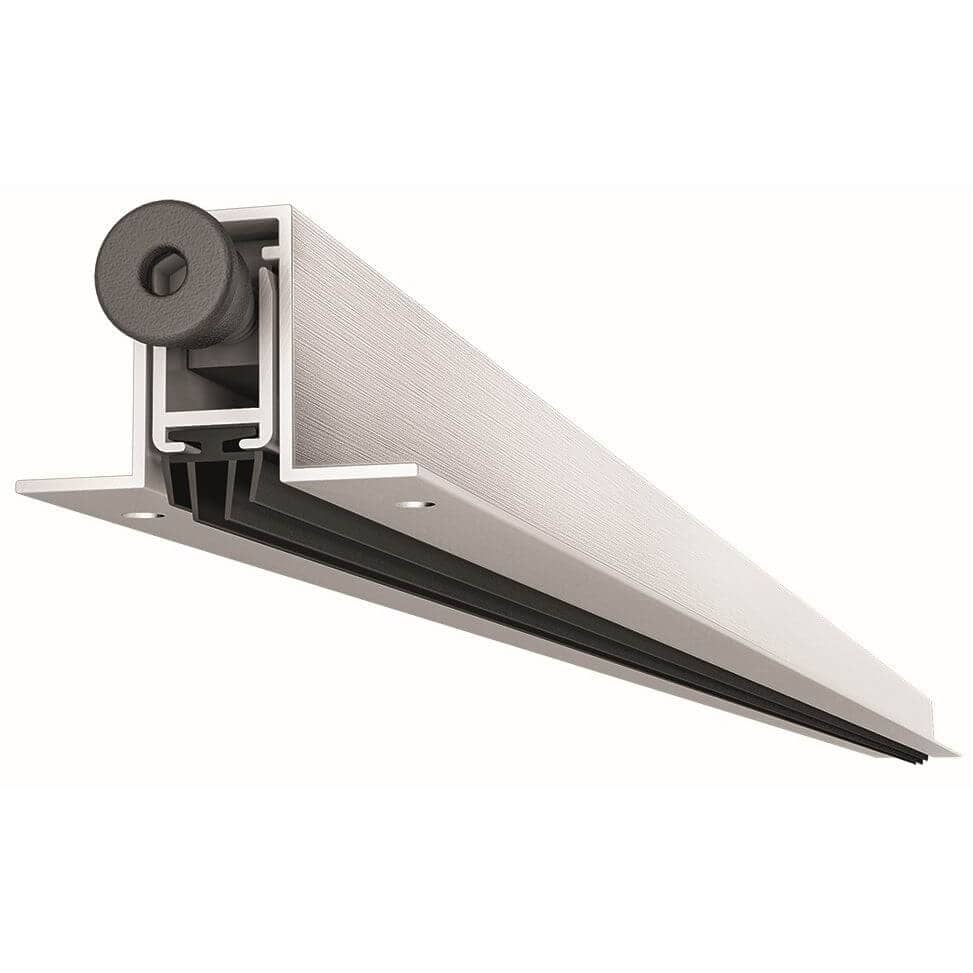
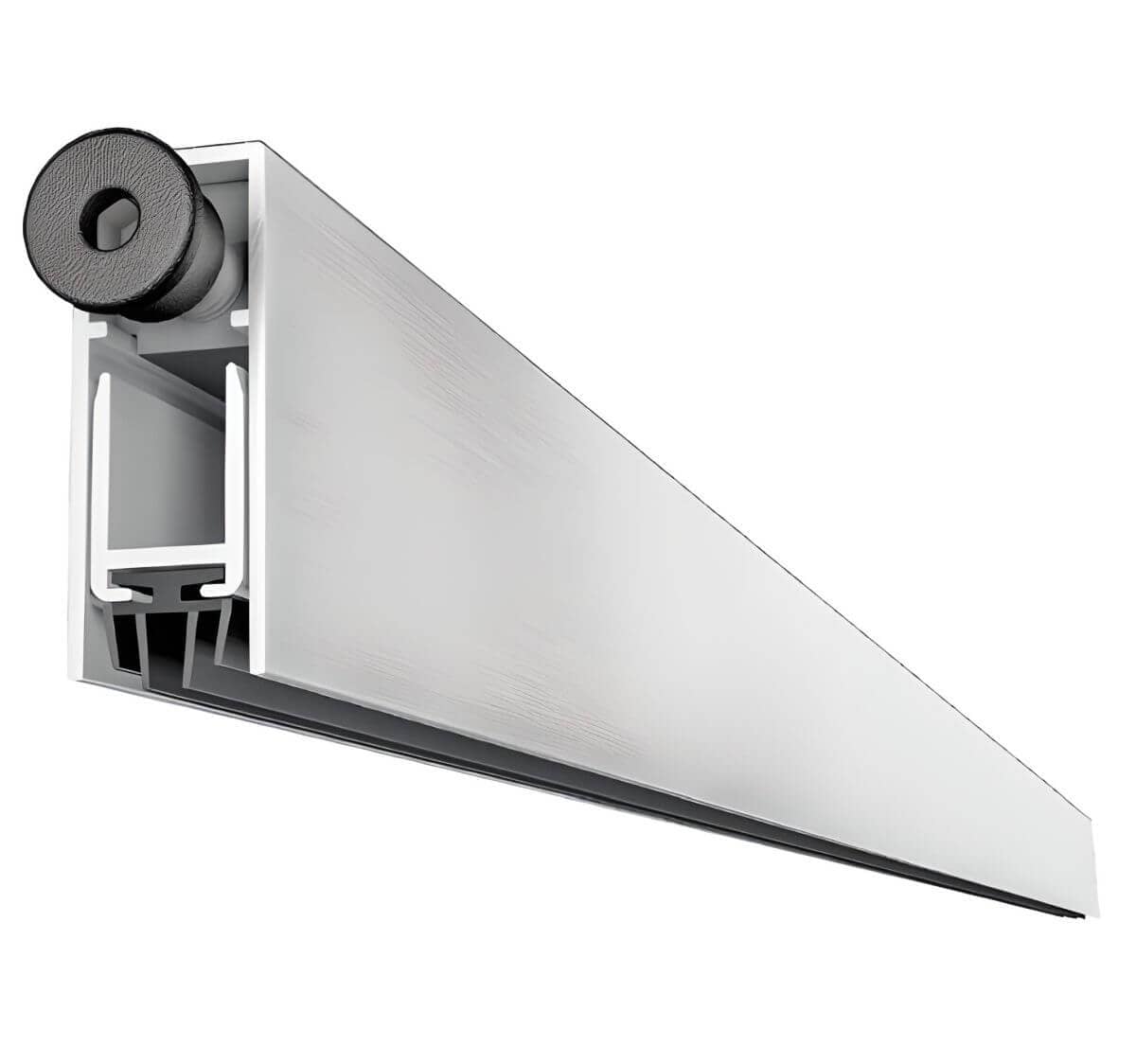
- Drop-down seals: These front door seals are equipped with a mechanism that presses the seal down when the door closes. This creates an optimal sealing effect without putting strain on the floor. Drop-down seals are more discreet and higher quality, but also more expensive.
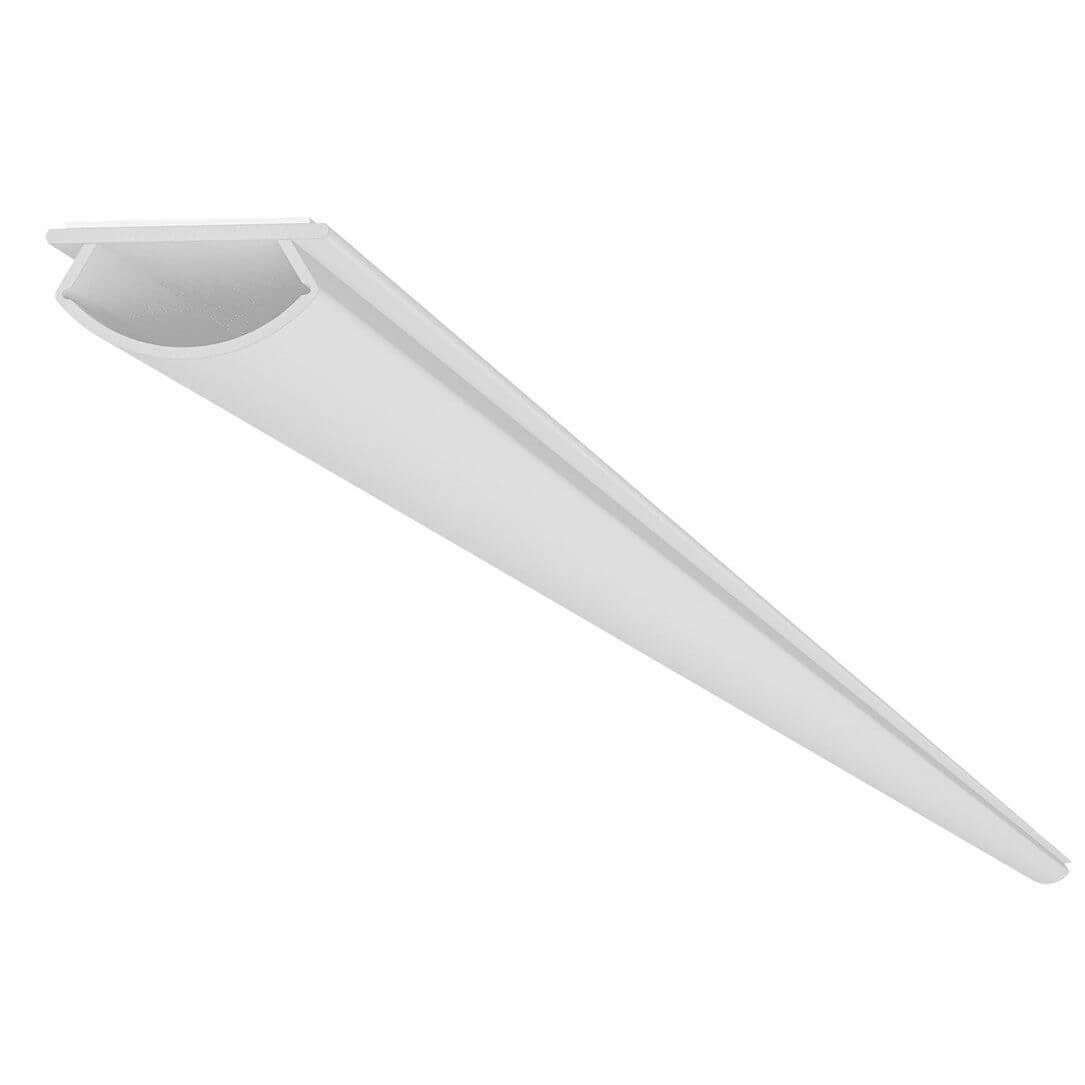
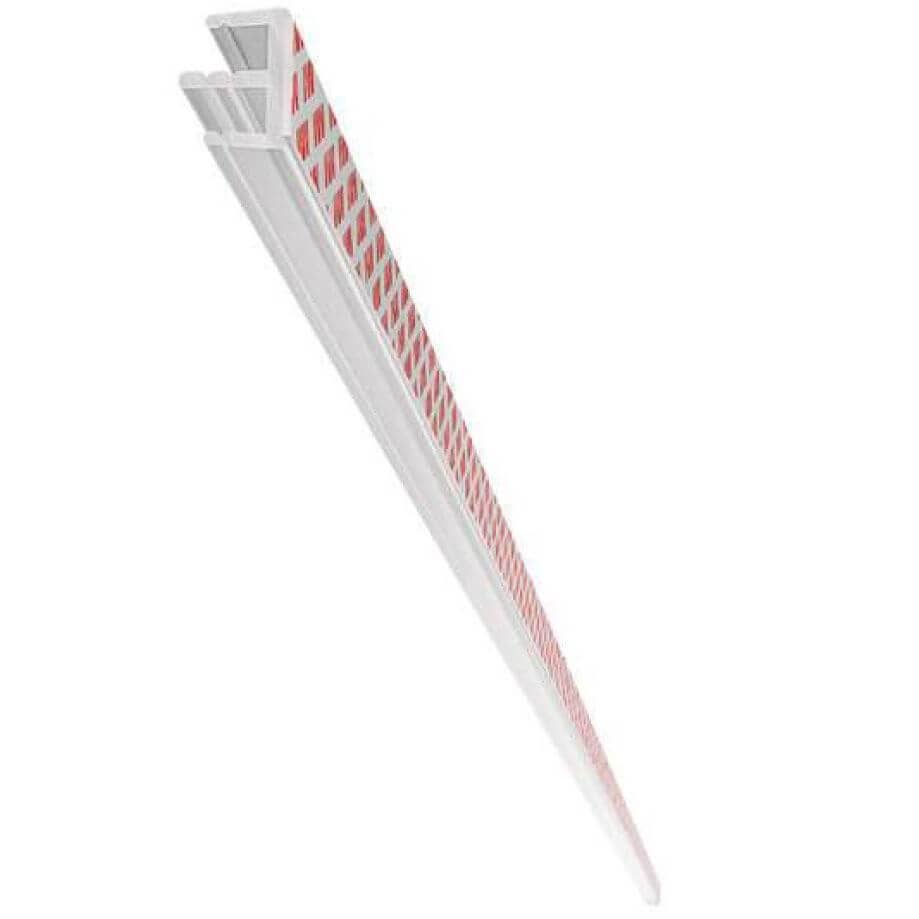
- Other door seals: There are also versions that can simply be slid on or stuck on and are often fitted with a rubber lip.
- PVC seals for interior doors: Ideal for interior doors that should close more quietly. The door rubber is glued into the door frame and prevents drafts.
Replacing bottom door seals and door rubbers
Door and window seals last around 15 years under normal use. However, wear and tear can reduce the sealing effect and cause heat loss. Check your bottom door seals regularly and replace them if necessary:
- Replace rubber seal: Carefully remove the old door rubber and insert the new one, possibly with a little dish soap for easier handling.
- Install brush seal: Cut to size and screw on or glue in place, depending on the model.
- Replace drop-down seal: Use the groove and screw the seal in place with a mounting bracket.
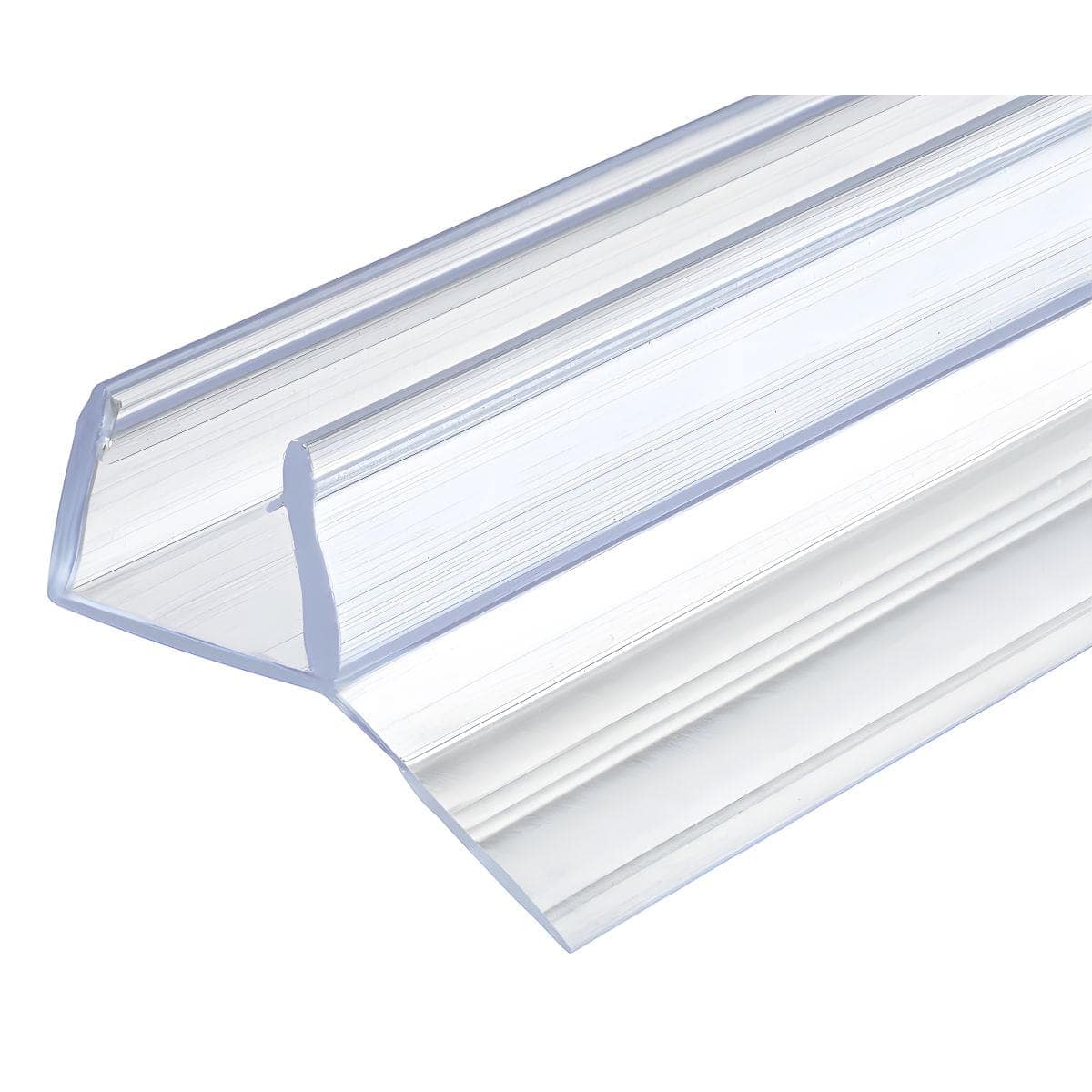
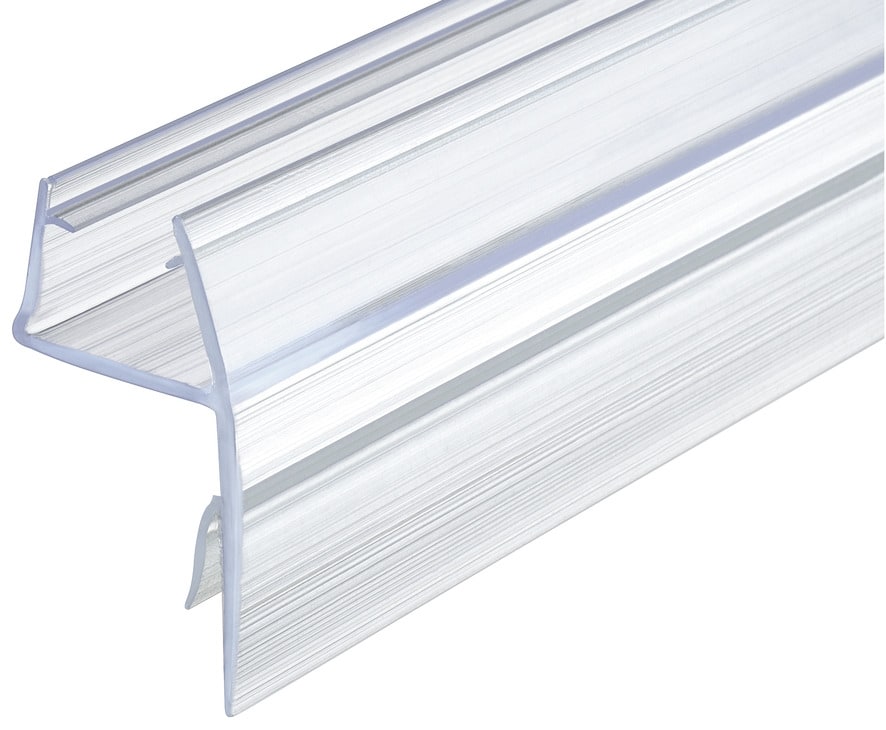
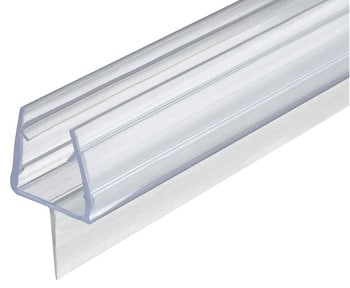
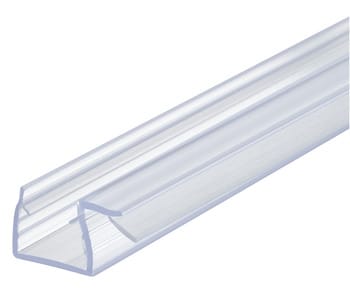
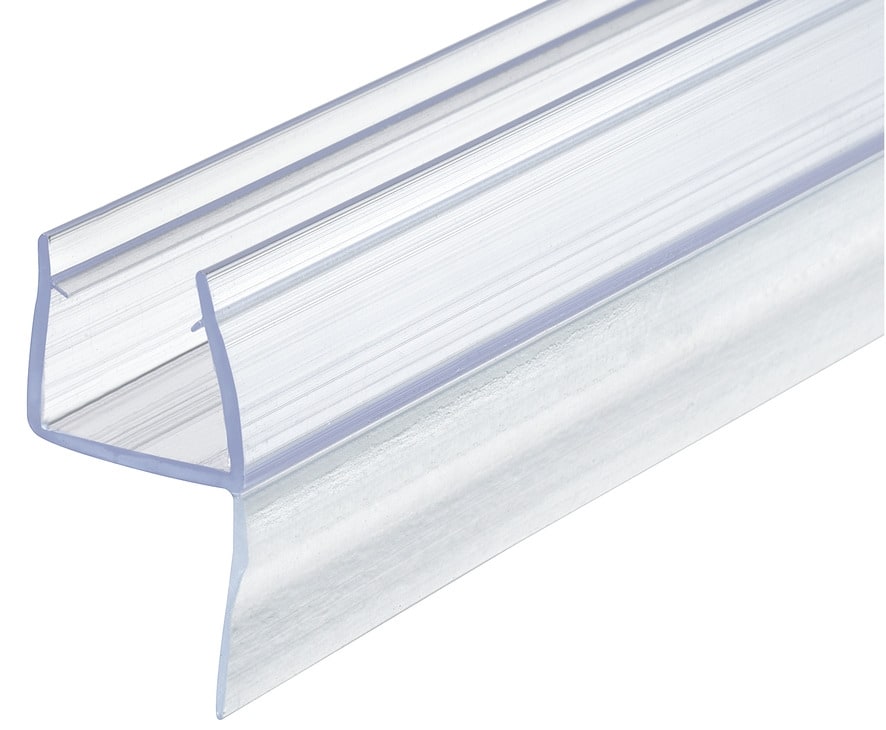
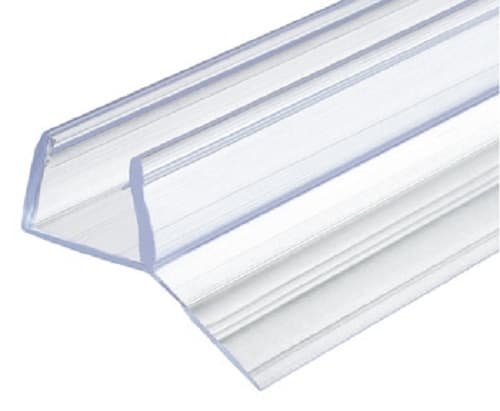
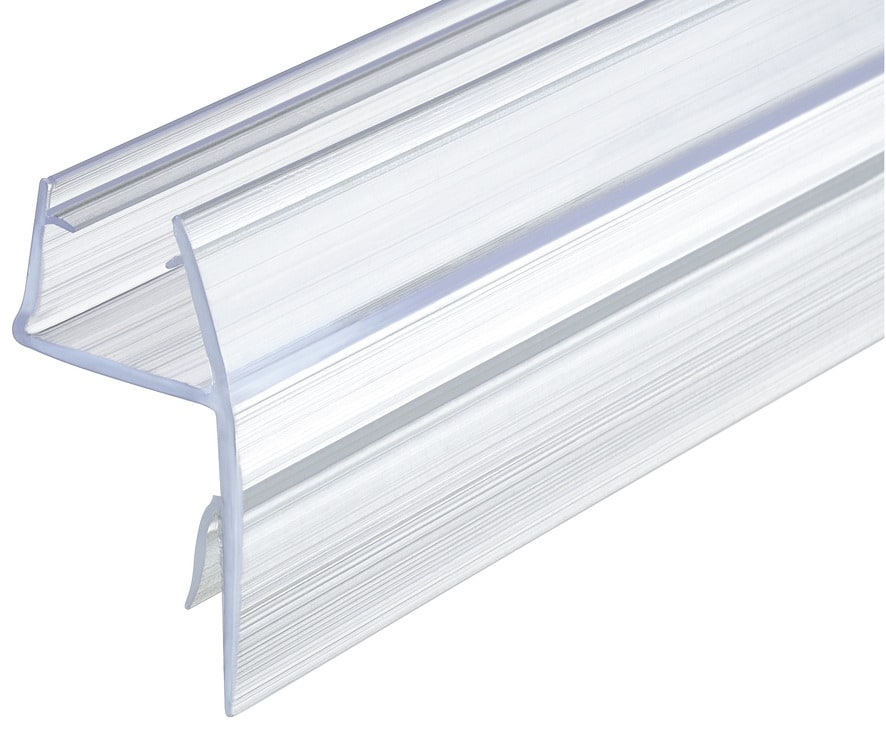
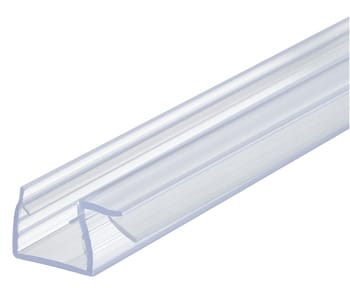
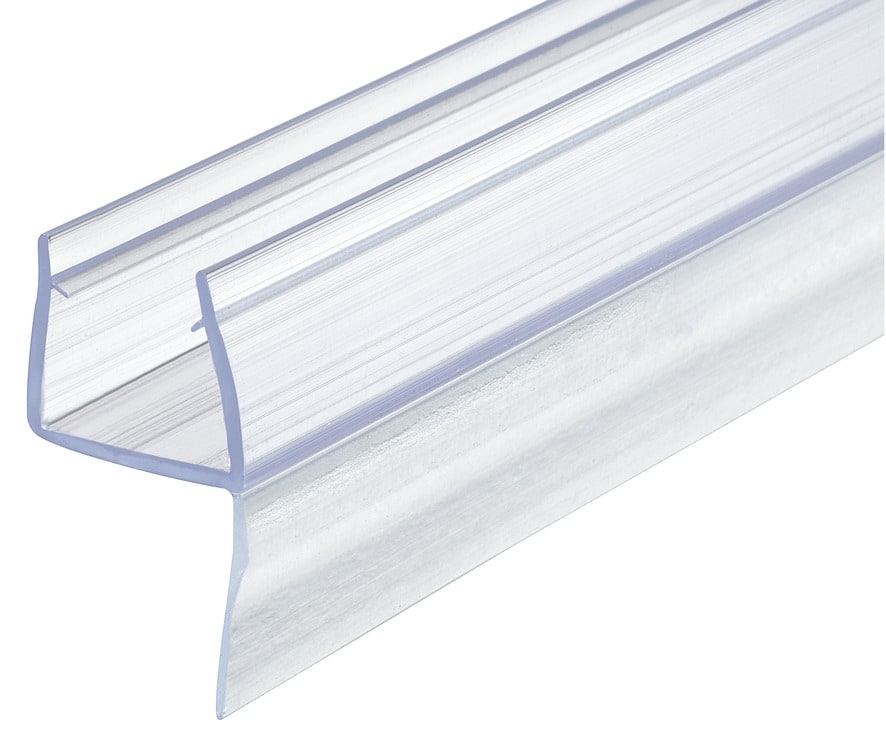
- Replace shower seal: Clean and remove the old seal. Cut the new seal to size according to the shower door thickness and insert it. Magnetic versions are also available.
Seals for every application
Whether bottom door seals, door rubber or special front door seals – at Heimwerkertools you will find the right solution. Our products come with a 30-day return policy. If you have any questions, you can reach us by email: shop@heimwerkertools.com.
3 common questions about door seals and our answers
Can I install bottom door seals and front door seals myself?
Yes, installation is often easy and only requires standard tools. If in doubt, it is advisable to consult a professional.
Are there special door seals for damp rooms?
Yes, made from waterproof materials such as rubber and silicone that help prevent mould and moisture.
How do I care for my door rubber properly?
Clean it regularly with a mild cleaner and check for damage to extend its lifespan.