 Business customer

Products (21)
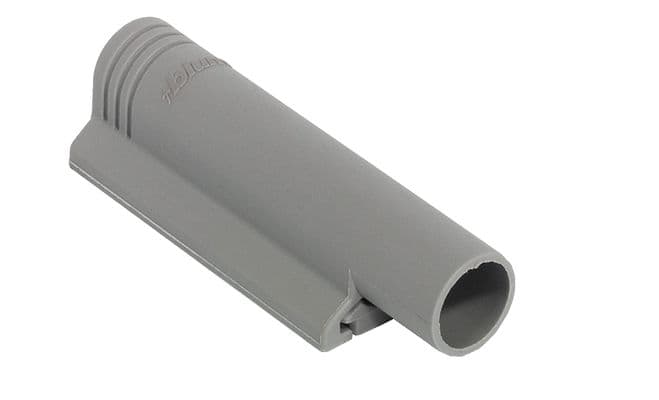
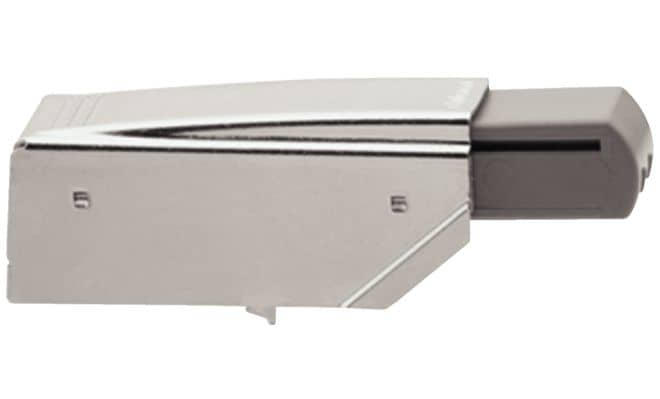


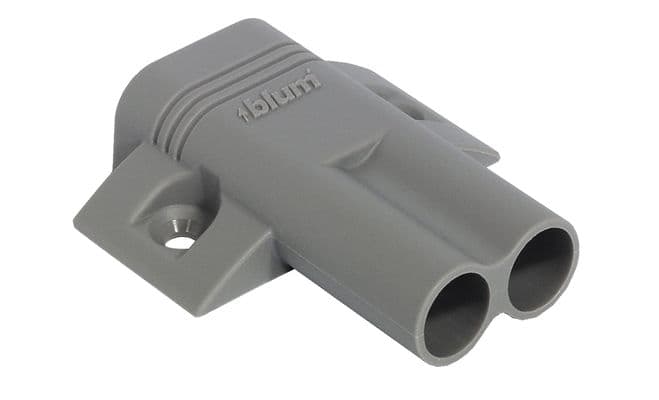
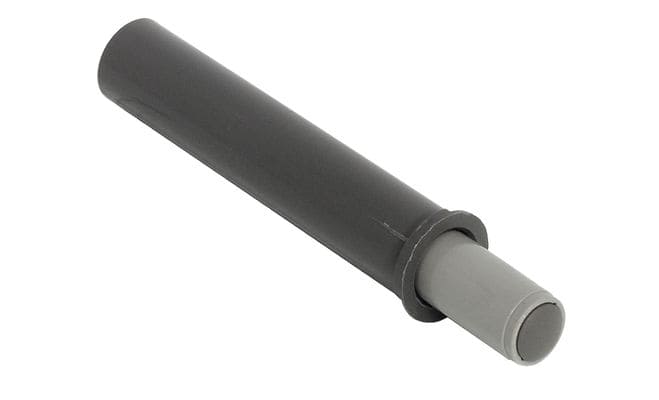

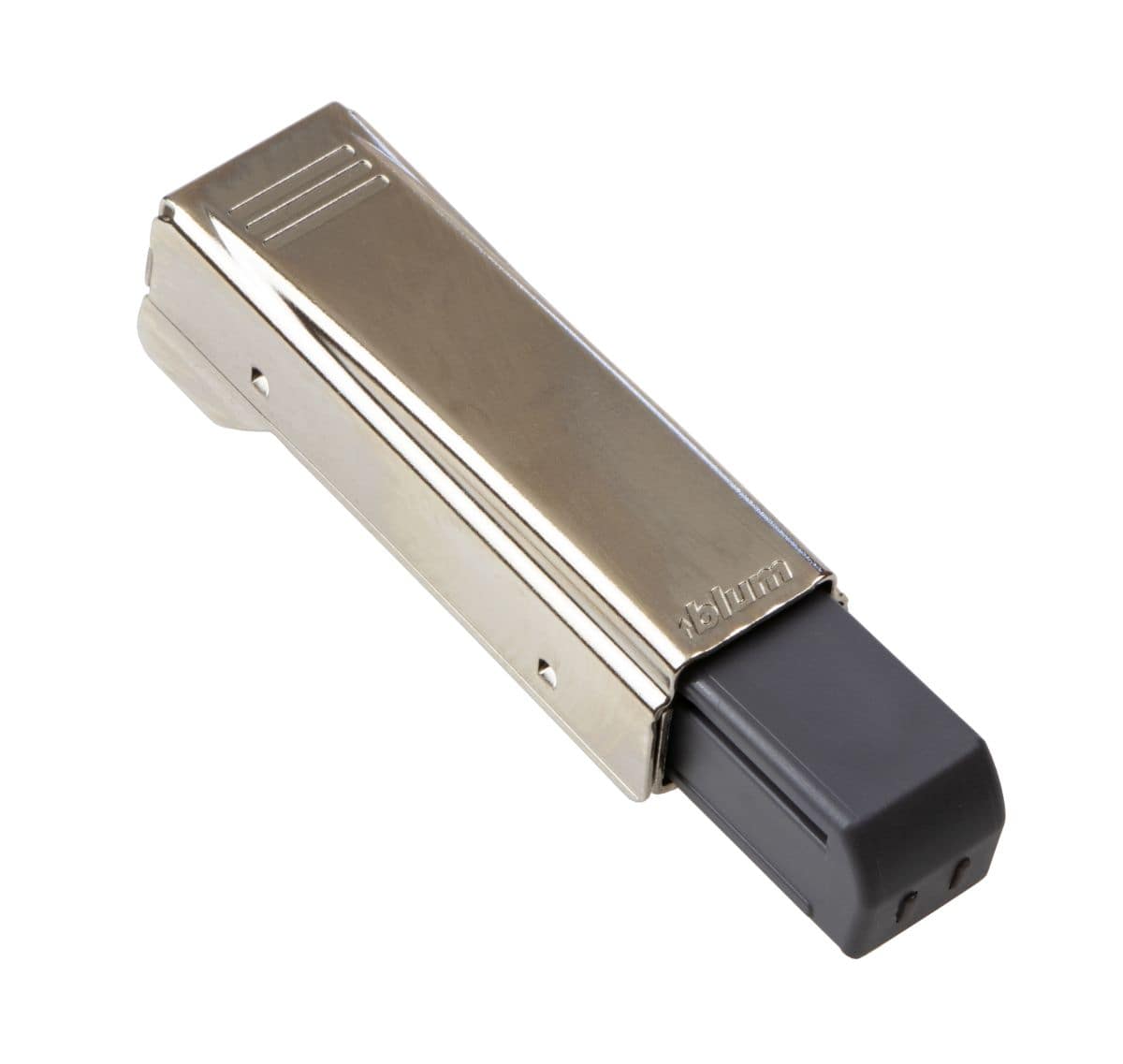
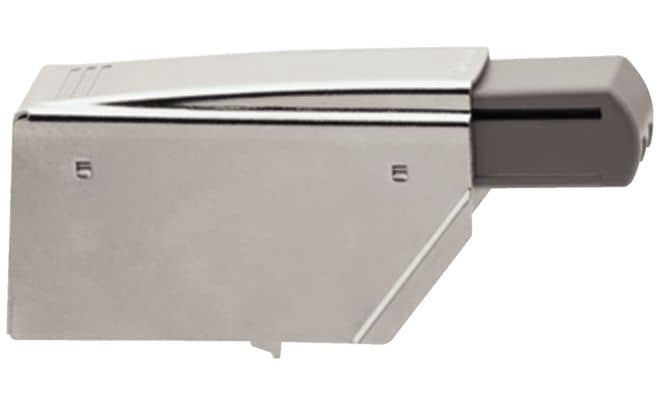
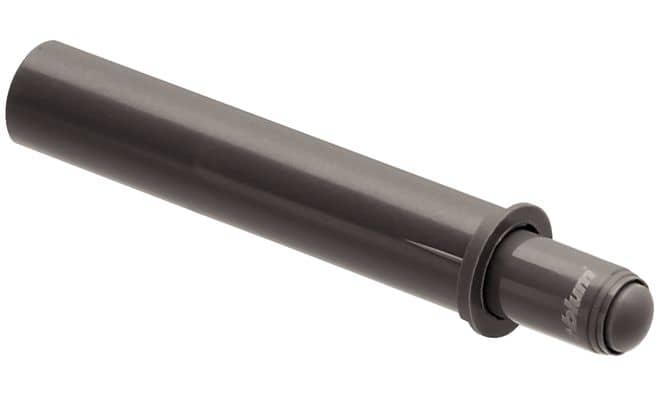


Doors are an important part of our homes - some of them we open and close several times a day. But not every door does so gently and quietly. Sometimes squeaking and creaking noises reach our ears. At the same time, doors that swing open and slam shut, and that take on a life of their own even at the slightest breeze, pose a clear safety risk. Not only can injuries occur, but the door and frame, as well as objects behind the door, can also be damaged. “Door dampers” are the magic word in this context. These little helpers protect against uncontrolled opening and closing and put an end to slamming doors.
Door dampers against slamming doors and cabinets
Anyone looking for door dampers to prevent doors from slamming or wanting to equip cabinet doors with furniture dampers should first know an important difference: while door stoppers and door buffers ensure that doors are stopped when they swing open, door closers and door dampers control the opposite movement. They therefore prevent doors from slamming shut with a loud bang or cabinet doors from damaging walls and fingers when they slam shut. In other words: if you give them a push, they are slowed down shortly before closing by soft-close dampers and gently guided into the final position - similar to car trunk lids, kitchen drawers or many a cabinet door fitted with a door damper. Door dampers are now available for almost every type of door, and it is important to pay attention to aspects such as door weight or closing force.
Door dampers - one component, many benefits
The advantages of door dampers are obvious: uncontrolled slamming of the door - for example due to drafts or carelessness - is a thing of the past. This also protects the frame, door leaf, wall, or objects located in front of the door. Likewise, the risk of injury from trapped fingers is reduced and no additional noise is generated. All of this also applies to furniture dampers: they protect not only the closing mechanism but also your ears. There are no disturbing closing noises and the risk of injury is minimized as well.
Installing door and cabinet door dampers
Whether for an interior door or a cabinet door, and whether with a visible or concealed cylinder - there are now numerous different variants. It is therefore important to find out exactly in advance which model is the right one. The door damper is then mounted directly on the door leaf. Depending on the door and the type of damper, this can be done at the top on the hinge side, at the top in the middle, or at the top on the opposite side of the hinges. Most door dampers are installed on the hinge side for inward-opening doors. If a door opens outward, the damper must accordingly be mounted on the opposite side of the hinges. Positioning a damper in the middle of the door is often chosen when there are children or elderly people in the house. This is because mounting it in the middle can reduce the pressure of the damper on the door, making it easier to open. To position the door damper correctly, it is therefore essential to consult the manufacturer’s instructions. For furniture dampers, a distinction is made between friction dampers for mostly smaller doors, flaps, cabinet doors and toilet seats, and fluid-dynamic variants for heavy closing mechanisms. In addition, there are drawer dampers and push-to-open models equipped with a rubber or magnetic tip.
High-quality products, first-class service
In the Heimwerkertools online shop, we exclusively offer high-quality door dampers that can handle almost any door. What’s more, we are happy to support you with selection and installation so that everything ends up exactly where it needs to be. And if you ever choose the wrong product, feel free to take advantage of our 30-day money-back guarantee.
3 frequently asked questions about door dampers and our answers
Door dampers may be small components, but they can still raise questions from time to time. Here you will find three frequently asked questions and the answers to them:
Can I install door dampers myself?
Are you handy and do you have the right tools? Then the answer is yes! However, it can be advantageous to hire a professional so that everything really works smoothly.
Can the resistance of the door damper be adjusted individually?
Many door damper models have resistance functions that can be adjusted to a certain extent. This makes it possible, for example, to regulate the speed or force of the door closer.
Can I install a door damper on a fire door?
Here caution is required, because not all door dampers are approved for use on fire doors. It is therefore important to find out in advance exactly which model is the right one.