 Business customer

Products (60)


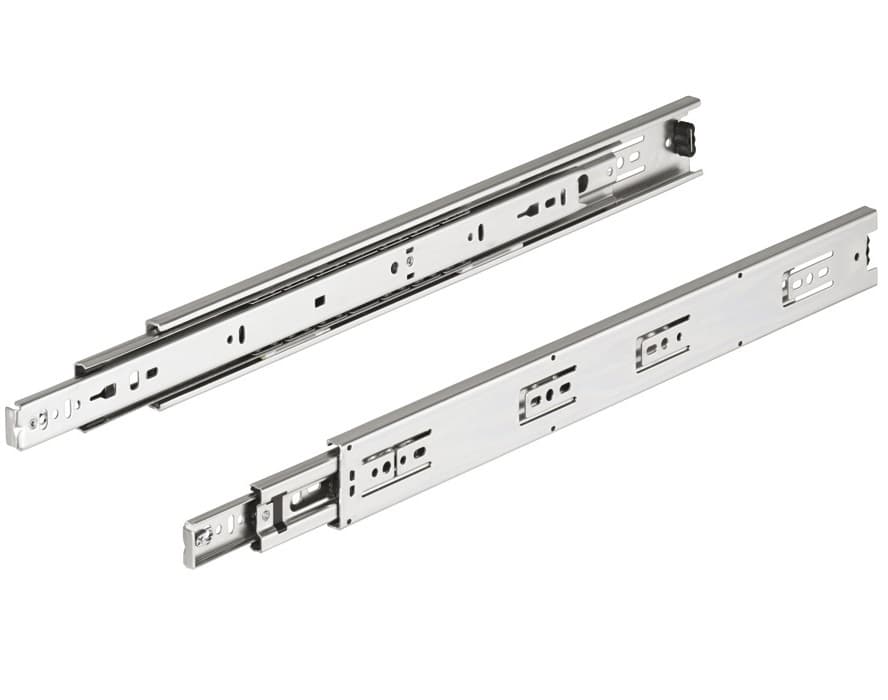
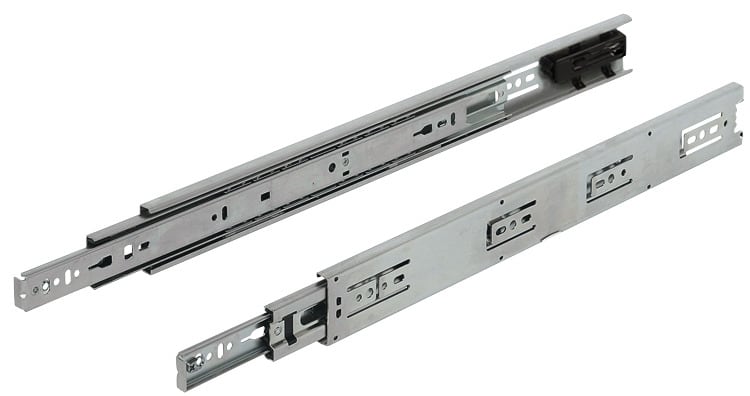
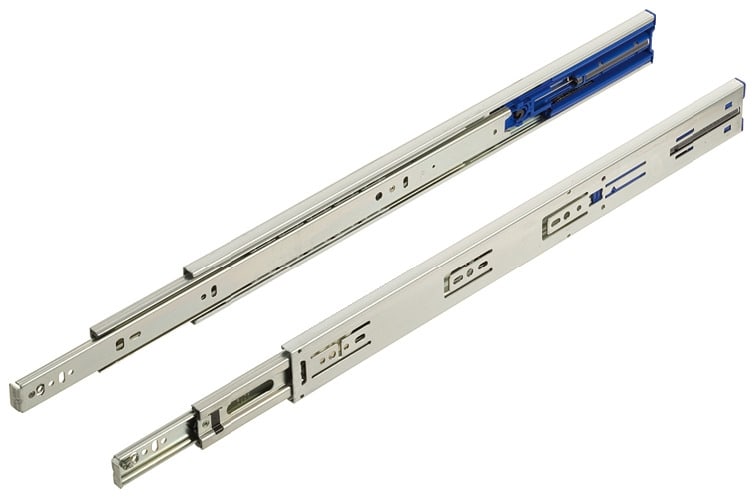

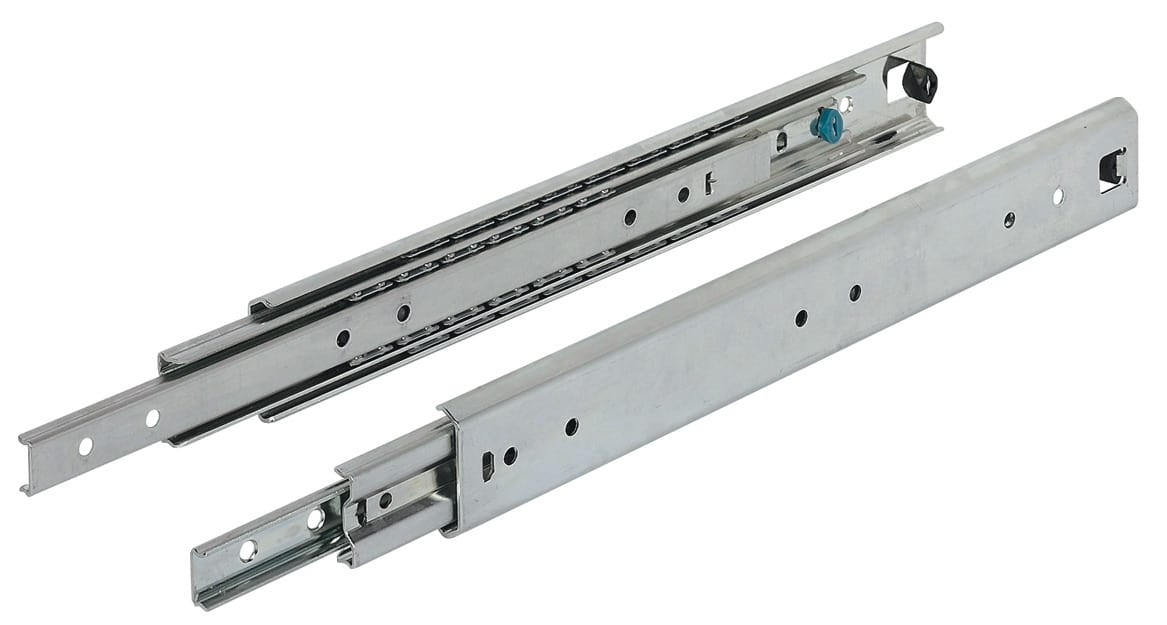

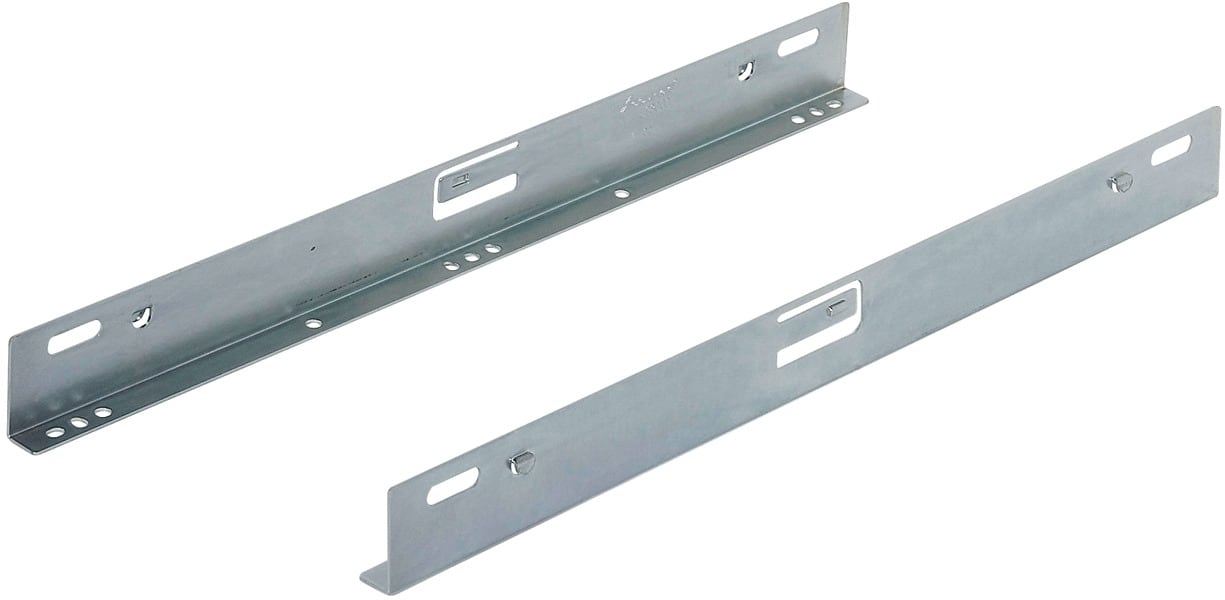


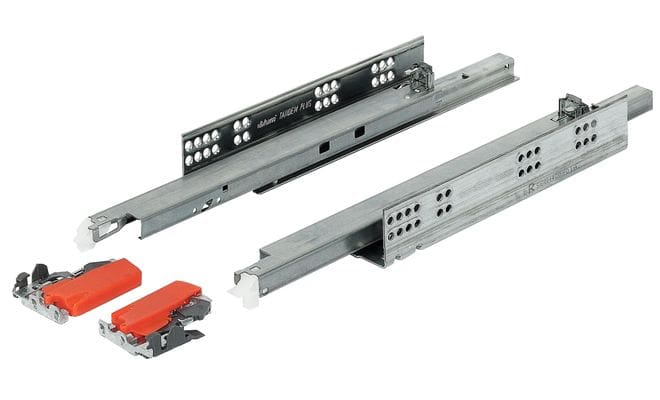

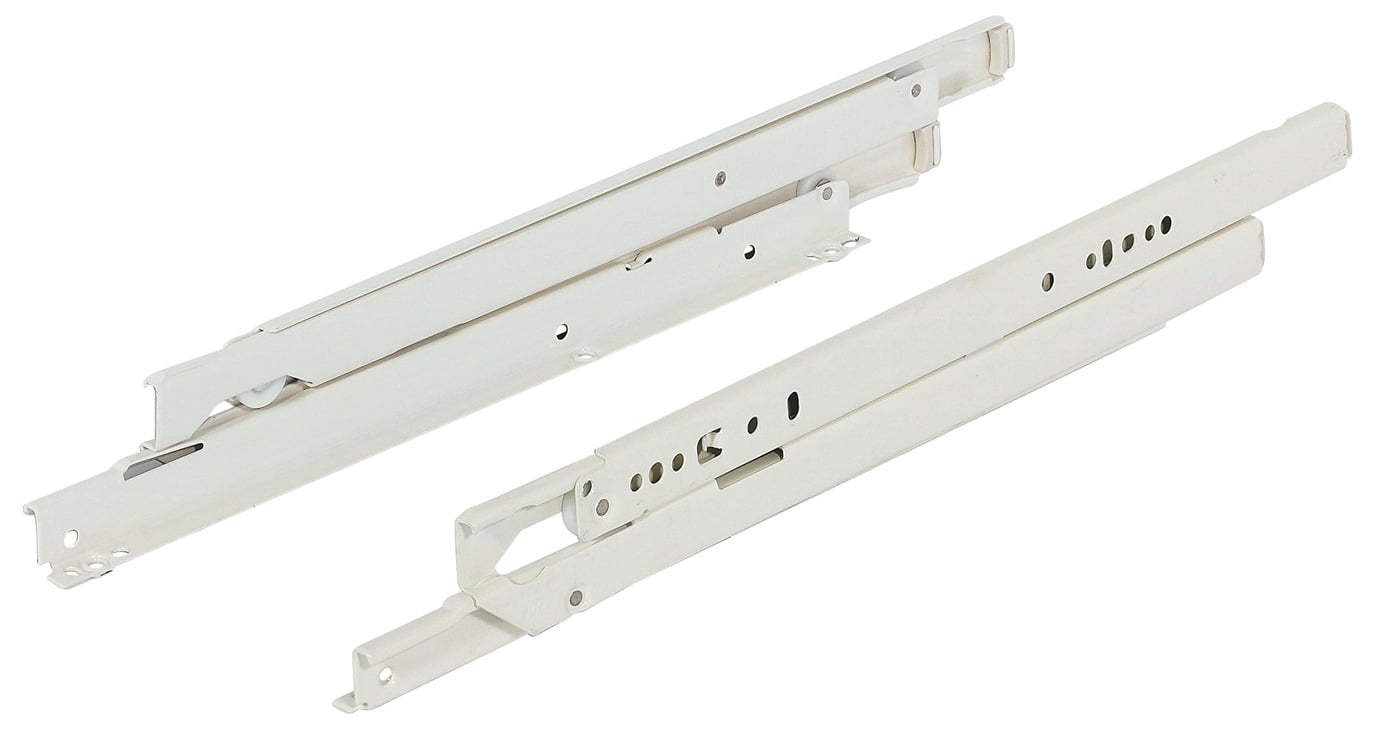
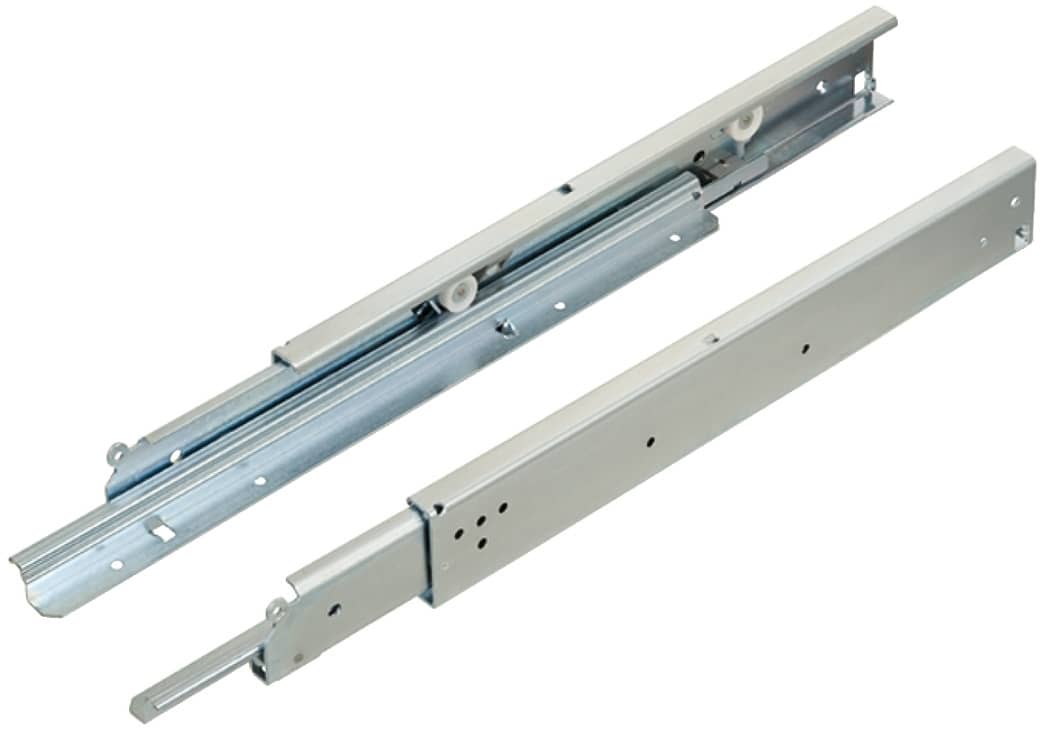
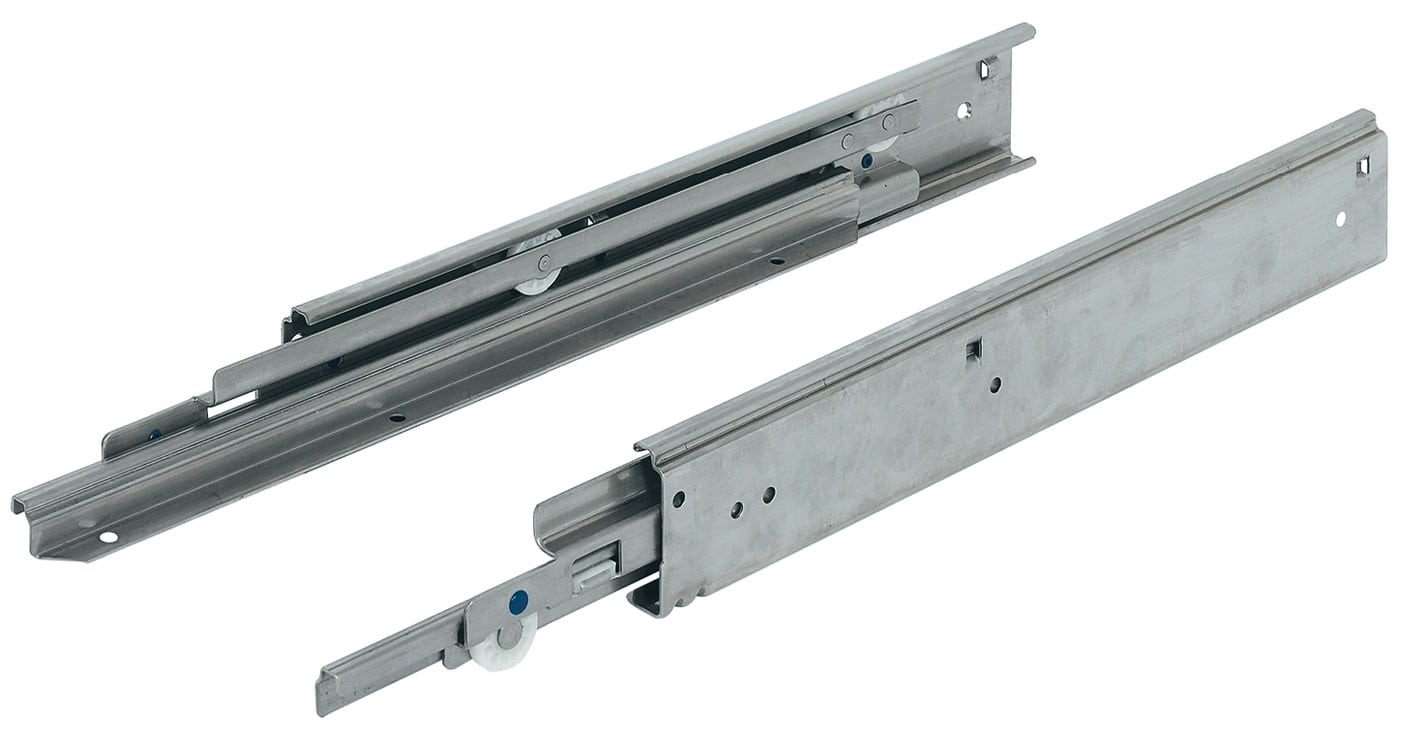
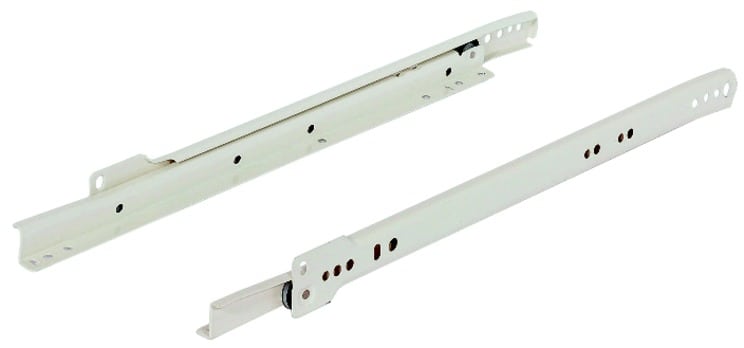
With telescopic drawer slides, the annoying search for utensils—whether in the kitchen, workshop, pantry or bedroom dresser—is a thing of the past. Everything is in its place and can still be used at any time. Telescopic drawer slides are therefore particularly well suited for retrofitting, as they make cabinets more efficient to use. They are usually made up of two rails that slide into one another, with a ball bearing providing the necessary flexibility.
From chaos to order with telescopic drawer slides
Telescopic drawer slides are usually made of metal—just like those you will find in our online shop. They are therefore durable and suit any design. They also support a considerable amount of weight and are thus extremely robust. This means they can easily handle loads of up to 25 kilograms. In addition, they impress with their smooth operation, as the telescopic drawer slides can be pulled out completely in a comfortable and easy way while still being 100% stable and safe. And they glide smoothly and quietly—even when their contents are heavier. This keeps everything securely stored while still allowing it to be taken out at any time. When choosing the right telescopic drawer slide, it is important that you know exactly which of your cabinets you need the component for. For example, there are telescopic drawer slides for retrofitting for drawers 50 cm or 60 cm wide. They are installed similarly to conventional drawers—with guide rails and screws.
Telescopic drawer slides from the DIY professionals
Telescopic drawer slides are now available in various designs—but if you choose a product from Heimwerkertools, you get one valuable extra: our support. We are happy to advise you and work with you to find the perfect telescopic drawer slide. We also offer a 30-day money-back guarantee if the product you ordered does not meet your expectations. By the way, from a goods value of 50 euros we deliver free of charge to Germany and Austria.
3 common questions about telescopic drawer slides and our answers
Choosing and installing telescopic drawer slides in your own home can sometimes raise questions—we answer three of the most important below:
Can telescopic drawer slides be installed yourself?
If you have a bit of DIY skill and the right tools, you can install telescopic drawer slides yourself. The rails are usually first mounted to the drawer and then to the cabinet body with screws. Be sure to follow the manufacturer’s installation instructions carefully so that everything is in the right place later on. You can find more information about installing drawer slides here.
Are telescopic drawer slides also suitable for outdoor use?
Telescopic drawer slides are generally designed for indoor use and are therefore only suitable to a limited extent for outdoor applications. The reason for this is factors such as moisture, weather exposure or extreme temperatures, which can damage the components and thus negatively affect their function and durability.
Are telescopic drawer slides also suitable for heavy items?
In general, telescopic drawer slides offer a high load capacity and stability—however, this can vary depending on the manufacturer and model. It is therefore important to check the weight limits so as not to overload the drawers.